Flowyline Design
Scaling a Premium Vietnamese Furniture Brand in the U.S. Market
The Challenge.
Founded in 2018 by engineer Alex Joo, Flowyline Design set out to challenge traditional furniture design. Drawing on over two decades of welding experience in Korean shipyards, Alex pioneered a distinctive concept: shaping rigid steel into elegant, flowing table legs and bases that blend industrial strength with artistic design.
By 2025, Flowyline had mastered production and established a warehouse in California to meet growing demand in the United States. However, without a clear strategy or operational framework to guide their marketing efforts, their digital expansion had plateaued.
Generic traffic was easy to find, but high-intent buyers were elusive. As an international brand, Flowyline needed to translate its craftsmanship into the specific buying language of U.S. consumers by aligning its messaging with how Americans search for products, evaluate quality, and build trust with unfamiliar brands online.
Flowyline didn’t just need someone to manage their ads. They needed someone to help them bridge an important cultural gap. They needed a marketing strategist who could build the infrastructure, performance tracking, and campaign strategy required to transform paid advertising into a reliable customer acquisition engine in one of the world’s most highly competitive markets.
The target was to achieve 4x Return on Ad Spend (ROAS) across Google Ads, Meta Ads Manager, and Microsoft Advertising within three months.


The Strategy.
Rather than immediately increasing the budget, the first phase focused on fixing the foundation of the advertising ecosystem.
This included implementing reliable conversion tracking, improving data visibility, and restructuring the accounts to measure performance accurately.
Once a stable data foundation was established, the strategy focused on aligning each platform with a clear role in the customer journey.
Google and Microsoft Advertising were positioned to capture existing demand from users actively searching for related products.
Meta Ads Manager was used to build awareness and re-engage potential customers who had already interacted with the website but had not yet completed a purchase.
The Execution.
On Google Ads and Microsoft Advertising, search and shopping campaigns targeted high-intent users already searching for premium table legs and bases. Campaigns were organized by product category so that ads directed visitors to the most relevant product pages, reducing friction in the buying process.
Keyword targeting was refined to exclude low-value searches, such as bargain hunters or unrelated products, ensuring the budget was focused on buyers actively seeking premium furniture components.
On Meta Ads Manager, the focus was on A/B testing and remarketing. Working closely with the internal media team, I launched multiple variations of product imagery, promotional graphics, and short-form videos to determine which visuals and messaging resonated most with the audience.
User-generated content became a particularly strong performer. Customer videos and installation photos helped potential buyers visualize the product in real environments, increasing credibility and engagement.
OPTIMIZE
&
OPTIMIZE &
Performance was monitored and continuously refined, with adjustments made to keywords, audiences, creatives, and budgets.
By eliminating wasted ad spend and gradually increasing investment behind the strongest performers, the accounts became leaner, more efficient, and easier to scale.
Finally, Seasonal campaigns were introduced to capitalize on major U.S. shopping periods and help the brand maximize visibility during high-intent buying windows.



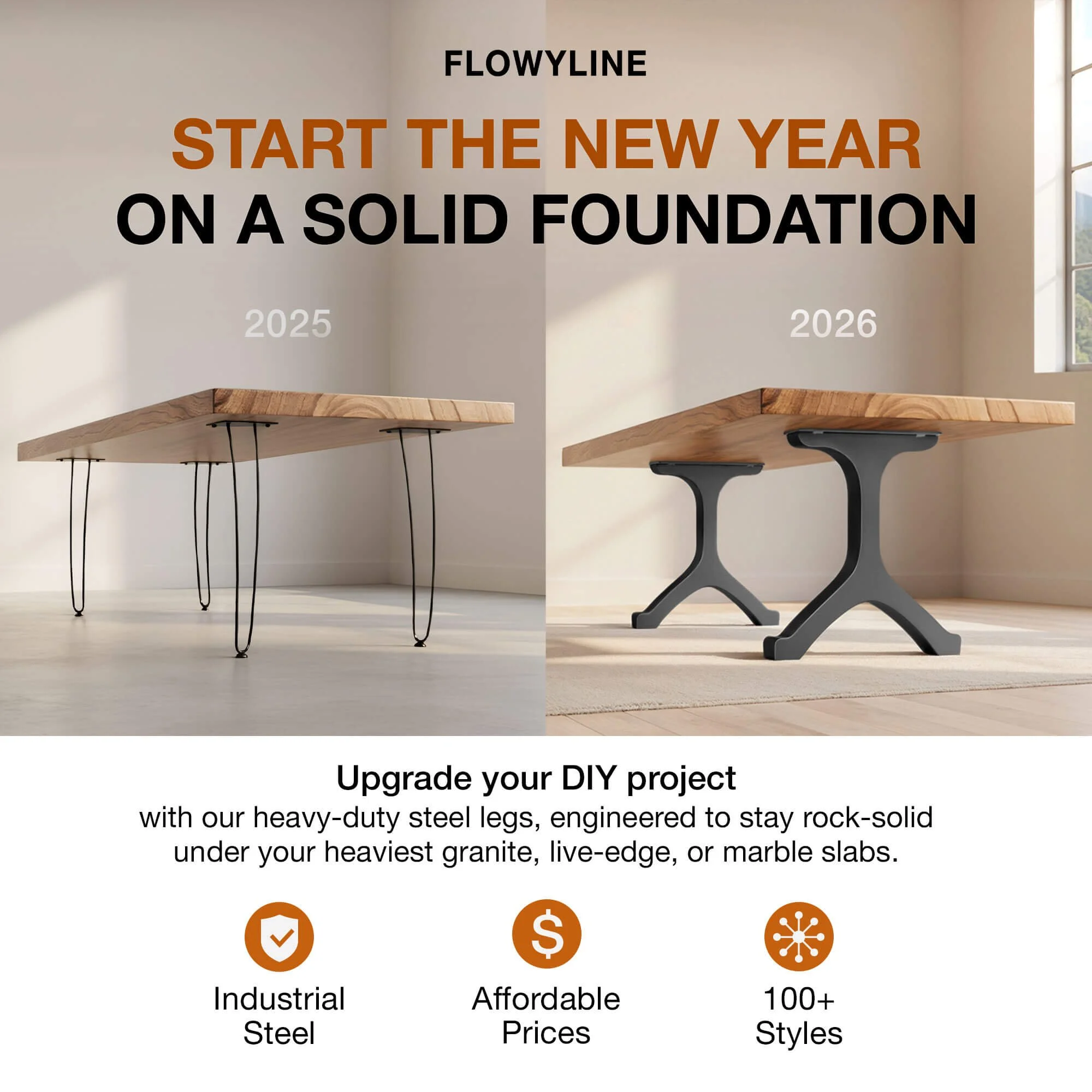
Presidents’ Day Campaign
The Results.
Within three months, Flowyline’s advertising ecosystem evolved from a fragmented set of campaigns into a structured, performance-driven acquisition system.
Despite operating with a reduced budget, the optimized campaigns almost doubled the 4x Return on Ad Spend (ROAS) target across Google Ads, Meta Ads Manager, and Microsoft Advertising.
By focusing on high-intent audiences, improving creative performance, and implementing reliable data tracking, Flowyline’s paid advertising transitioned from an experimental marketing effort into a predictable, data-driven system capable of consistently acquiring customers in the U.S. market.